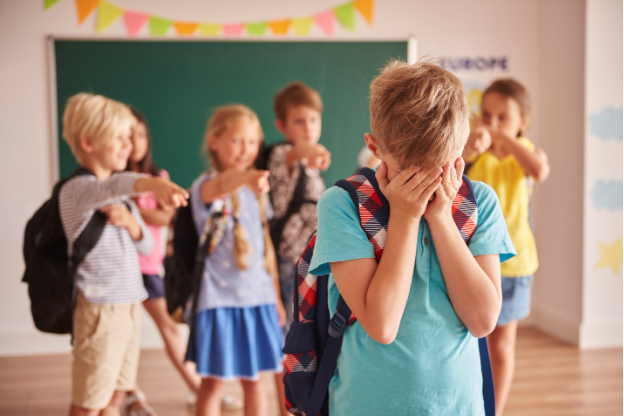
Have you ever wondered how a few unkind words or actions can affect a child’s confidence, friendships, and willingness to learn? Early childhood is a time when children are developing their sense of identity and discovering how they fit into the world around them. While disagreements and conflicts are a normal part of growing up, repeated teasing, exclusion, or hurtful behavior can have a lasting impact on young learners. Understanding the effects of bullying and teaching children kindness, empathy, and acceptance can help create safer environments where every child feels valued.
Bullying Can Impact a Child’s Confidence and Self-Esteem
One of the most significant effects of bullying is the damage it can cause to a child’s self-esteem. Young children who are repeatedly teased or excluded may begin to believe negative messages about themselves. They may question their abilities, hide their unique qualities, or become afraid to express who they truly are.
Confidence plays an important role in learning and personal growth. When children feel accepted, they are more likely to participate, ask questions, make friends, and explore new experiences. However, when bullying makes children feel unsafe or unwanted, they may withdraw and lose confidence in their own abilities.
Bullying Can Affect Emotional and Social Development
Early childhood is a crucial period for learning social skills such as communication, cooperation, and problem-solving. Bullying can interfere with these important lessons by creating feelings of fear, sadness, or loneliness.
Children who experience bullying may struggle to trust others or feel nervous in social situations. They may avoid group activities, hesitate to make new friends, or have difficulty expressing their emotions. Providing children with support and teaching them how to handle differences helps them build healthier relationships.
Bullying Often Happens Because of Differences
Many instances of bullying occur when children do not understand or appreciate differences. A child may be teased because of their appearance, personality, interests, abilities, or the things that make them unique.
Teaching acceptance from an early age helps children recognize that differences are not something to criticize; they are qualities that make each person special. A powerful example of this lesson can be found in The Purple Cow Who Gave Root Beer. The story follows Suzie, a purple cow who is teased because she is different from the other cows. Instead of giving milk, Suzie produces root beer, and others laugh because they do not understand her uniqueness. With encouragement from her mother, Suzie learns that being different is her greatest strength and gains the confidence to embrace who she is.
Teaching Kindness Helps Prevent Bullying
Parents, teachers, and caregivers play an important role in helping children understand the value of kindness. Simple conversations about feelings, respect, and inclusion can teach children how their actions affect others.
Encouraging children to include classmates, stand up for friends, and celebrate differences creates a more supportive environment. Books, classroom discussions, and real-life examples can make these lessons easier for children to understand and remember.
Helping Young Learners Grow with Confidence and Compassion
Bullying in early childhood can affect how children see themselves and interact with others, but positive guidance can make a powerful difference. When children learn empathy, acceptance, and kindness, they develop the skills needed to create friendships and communities where everyone feels respected.
Help young readers discover the power of kindness and self-confidence with The Purple Cow Who Gave Root Beer by Mamie Jefferson-Hill. This heartwarming story gives children a meaningful way to understand bullying, acceptance, and the importance of celebrating differences. Through Suzie’s journey, children learn that being unique is not a reason to feel left out; it is a reason to feel proud. Perfect for parents, teachers, and classrooms, this inspiring book encourages conversations about empathy, inclusion, and standing strong against unkind behavior. Share Suzie’s story today and help children build the confidence to embrace themselves and the kindness to accept others.